2030 on Main Street: What We Hope Changes in Jackpots — and What We Hope Doesn't

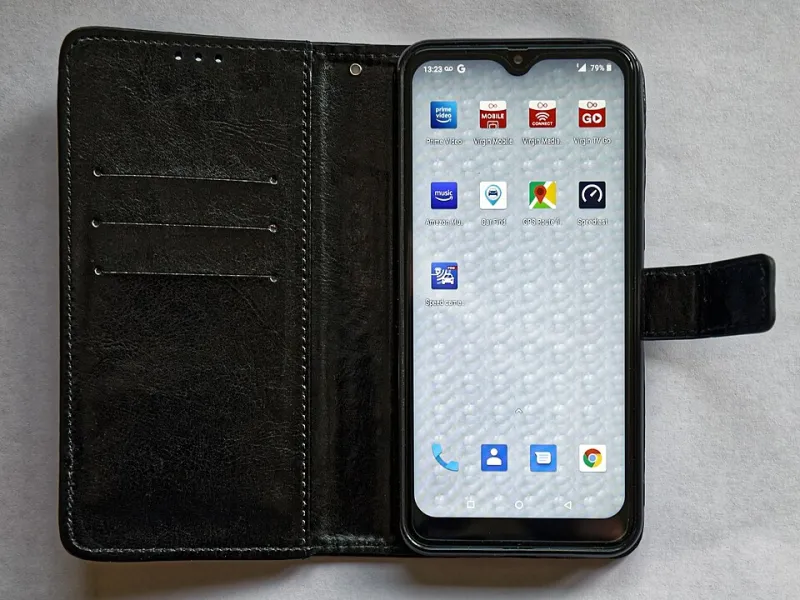
Photo: futuristic casino floor mobile phone jackpot meter 2030, via i.etsystatic.com
Every village likes to wonder what Main Street will look like in a few years. Will the old diner still be there? Will the general store get a fancy new sign? In the jackpot world, the same questions apply. By 2030, progressive jackpots may look different in ways both big and small. Some of those changes could be genuinely useful. Others might make us miss the simple stuff.
This is not a prediction column. Nobody can promise which features will launch, which regulators will approve what, or which games will still be standing. Think of it as a wish list mixed with a weather forecast: grounded, a little uncertain, and best read with a cup of coffee.
The Meters Might Learn to Talk Across State Lines
One of the most interesting possibilities is the growth of multi-state progressive networks. If regulators and operators can agree on shared meter rules, consumer protections, and payout transparency, a player in one state could theoretically contribute to a jackpot that spans several states. That could mean larger top prizes and more frequent life-changing numbers.
But bigger is not automatically better. Cross-state networks raise real questions: Who handles disputes? How are odds disclosed? What happens if one state changes its rules? A responsible version of this future would put the fine print on the front porch, not in a basement filing cabinet. If the village is going to share a jackpot, everyone should understand how the pot is built.
Your Phone Becomes the Front Porch
Mobile-first play is already here, and by 2030 it may be the default way people check meters, join tournaments, and manage their accounts. That could be a good thing if it makes information easier to find and tools easier to use. A player should be able to see the current meter, the game rules, the alert settings, and their own deposit limits in one clear place.
The risk is that mobile play becomes mobile noise. More notifications, more banners, more "just one more tap" design. The village version of this future would favor clarity over clutter. A phone should feel like a front porch where you can sit and look at the street, not a carnival barker following you into the kitchen.
Community Features That Feel Like a Village, Not a Billboard
Jackpot communities are already a big part of the experience. Chat rooms, forums, tournament crews, and shared winner stories give players a sense of place. By 2030, those features could get smarter: better moderation, clearer winner verification, group goals for tournaments, and shared calendars for promotions.
The best version of this future keeps the human tone. A community feature should help neighbors talk to neighbors, not turn every conversation into an advertisement. If the village square becomes a billboard, people will stop gathering there. The winning formula is simple: give players useful tools, real information, and a reason to be kind to each other.
Smarter Player Tools, Smaller Blind Spots
One of the most promising changes is the rise of smarter player tools. Imagine a dashboard that shows your session time, deposit history, alert settings, and tournament entries in plain language. Not a scolding screen. Not a maze of menus. Just a clear view of your own habits.
That kind of tool could help players spot patterns before they become problems. It could also make promotions easier to understand: what you get, what you must do, and when it expires. In 2026, we already have pieces of this. By 2030, the pieces could fit together better. The key is that the tool serves the player, not the marketing department.
What Should Stay Bolted to the Floor
Some things should not change, no matter how fancy the meters get. Transparent odds. Clear terms. Responsible gaming tools that are easy to find and easy to use. Real human support when something goes wrong. And a community tone that treats players like neighbors, not just wallets.
Those are the load-bearing beams of the village. You can repaint the storefront, add a new porch, and upgrade the streetlights. But if the foundation gets shaky, nobody wants to sit on the porch anymore.
A Wish List, Not a Promise
The 2030 jackpot village could be more connected, more mobile, and more transparent. It could also be louder and more distracting if the industry chooses speed over substance. The hopeful version is a place where bigger networks come with better disclosure, where mobile tools make life easier, and where community features still feel like a chat with a neighbor.
We will not know until we get there. What we can do now is ask good questions, reward casinos that answer them clearly, and keep the village traditions that made the place worth visiting in the first place.