Read the Meter Before You Trust It: 10 Questions Every Player Should Ask a Progressive Jackpot
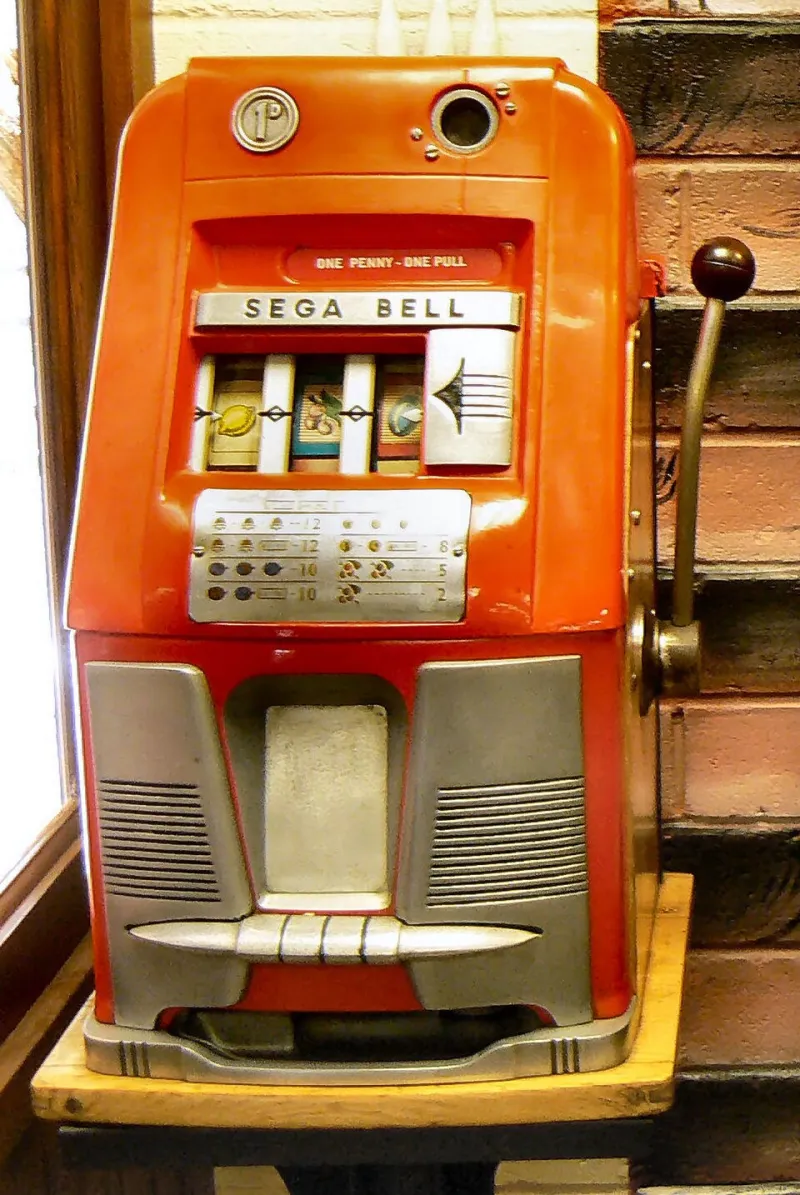
Photo: Ronald Saunders from Warrington, UK, CC BY-SA 4.0, via Wikimedia Commons
There's a certain magic to a jackpot meter. You're walking the virtual main street of a casino lobby, and there it is — a number climbing in real time, nickel by nickel, like the town clock everyone syncs their watch to. It's easy to assume that number means what it seems to mean: a pile of money, growing, waiting for someone.
But here at the village, we've learned that a meter is less like a clock and more like a scale at the farmers market — useful, but only if you know whether the seller is weighing honestly. Some progressives are built on transparency. Others are built on theater. Ten questions will tell you which one you're looking at.
Why the Meter Isn't Always What It Seems
A progressive jackpot display shows two things: a seed amount (the base value the jackpot resets to after it's won) and the accumulated contributions from player bets. What it usually doesn't show is the contribution rate — the percentage of each wager actually feeding the pot. That number can range from a sliver of a percent to a meaningful chunk, and it's the difference between a meter that honestly reflects player activity and one that's mostly marketing polish.
A fast-climbing meter can mean heavy play, a generous contribution rate, or a display that's simply set to climb faster for psychological effect. You can't know which without asking questions.
The Ten Questions
1. What's the seed amount? A jackpot that resets to $500,000 behaves very differently from one that resets to $5,000. High seeds create bigger headlines but often mean slimmer odds and slower growth from actual play.
2. What percentage of each bet feeds the jackpot? If it's published, that's a good sign. If it's buried or absent, you're trusting the house's handshake. Some games contribute as little as 1–2% of each wager.
3. Does the meter climb from real play, or on a timer? Some displays tick upward on a fixed schedule regardless of activity. That's not necessarily deceptive, but it does mean the number reflects the operator's calendar, not the community's coins.
4. Is this a standalone, local, or wide-area progressive? Standalone pots grow from one machine. Local progressives pool a casino's floor. Wide-area networks (the ones behind million-dollar hits) pool players across states or the whole country. Bigger network, bigger pot, longer odds.
5. What are the actual odds of hitting it? Wide-area progressives can require a specific hand, a max bet, or a random trigger with odds in the tens of millions. If the paytable doesn't say, the answer is probably "not good."
6. Do you need max bet to qualify? Plenty of players have hit a jackpot combination at minimum bet only to learn the full prize required the maximum wager. Check before you spin, not after.
7. How was the last winner paid — lump sum or annuity? Some large progressives pay over time. That changes the real value of the number on the screen considerably.
8. Is the jackpot taxable as withheld? For US players, a win over $5,000 typically triggers automatic federal withholding, and state rules vary. A $250,000 meter is not $250,000 in your pocket.
9. Does the game's RTP include the jackpot contribution? A slot advertising 96% RTP might be calculating that with jackpot seed money included — meaning the base game pays noticeably less than a comparable non-progressive.
10. Who actually backs the jackpot — the casino, the game studio, or an insurance policy? This one rarely matters until it matters. Reputable networks carry insurance or guarantor arrangements. It's a fair question to ask before committing your play.
How to Use These Questions
You don't need a customer service interrogation for every spin. Most answers live in the game's info screen, the paytable, or the operator's help pages. What you're really measuring is effort: a casino that publishes seed amounts, contribution rates, and winner histories is showing you its books. One that treats jackpot mechanics like a family recipe is asking for blind trust.
A quick rule of thumb from the regulars around here: the more a meter wants your attention, the more you should want its paperwork.
The Honest Meter Is Out There
None of this means progressives are a scam. Wide-area jackpots have genuinely changed lives, and there's real fun in watching a community-sized pot grow. The point is knowing what you're buying: a lottery-style shot wrapped in a slot game, with odds and mechanics you deserve to understand.
Ask the ten questions. Read the fine print like a regular at the general store. And when you find a jackpot that answers honestly — that's a meter worth watching.